

5 CBS Sitcoms That Helped Define '80s Television
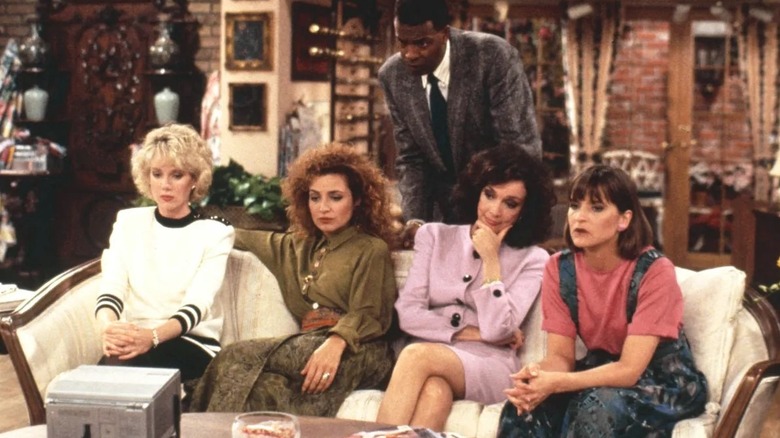
With the evolving cultural and societal landscape of the 1980s came a corresponding evolution for television, especially when it came to sitcoms. The small screen provided funny and entertaining stories that families watched over dinner after the early evening news. But sitcoms were more than just escapism; they often reflected the changing times. Some of the best sitcoms of the era not only made viewers laugh, but also defined the state of both the world and television, and many of these aired on CBS.
Headed initially by CEO Thomas H. Wyman and later by Laurence A. Tisch, the network provided a surplus of dramas such as "Magnum, P.I." and "Dallas," but also a string of successful comedy shows. While the network's sitcoms did not do quite as well as those NBC sitcoms that helped define '80s television, they still represented an iconic time in television and made audiences laugh for seasons. Here is a list of five CBS sitcoms that successfully did both of those things.
Newhart
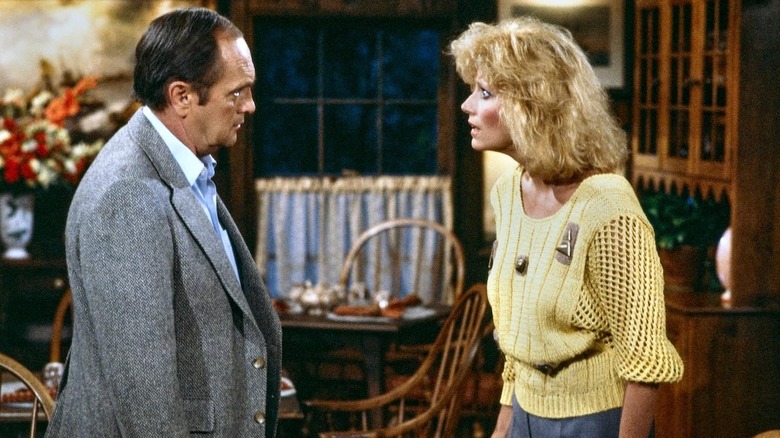
CBS' hit sitcom, "Newhart," ran for eight seasons. It starred Bob Newhart as Dick Loudon, a DIY author and talk show host who moves to Vermont to run the Stratford Inn with his wife Joanna (Mary Frann). The show was an instant success, and Newhart's straight, deadpan humor contrasted perfectly with the eccentric characters in the unnamed small town that houses the inn. The many characters on the sitcom represented a shift to ensemble casting on television. This also occurred with dramas as well, such as "Hill Street Blues" and "St. Elsewhere." This fared well for "Newhart," as the characters made for long-lasting storylines and gags.
Handyman George Utley (Tom Poston) regularly lamented absurd details of the town's history (i.e., a woman buried in a basement for centuries). At the same time, arrogant and naïve housekeeper Stephanie (Julia Duffy) frequently tried to get out of doing any actual work at the inn. In a Season 5 episode, she injures her foot while dusting, and milks the injury to the point that a new housekeeper is hired, which scares Stephanie into working again. The series also had one of the best series finales ever, which has formed the basis for many parodies and pop culture references since it aired.
Designing Women
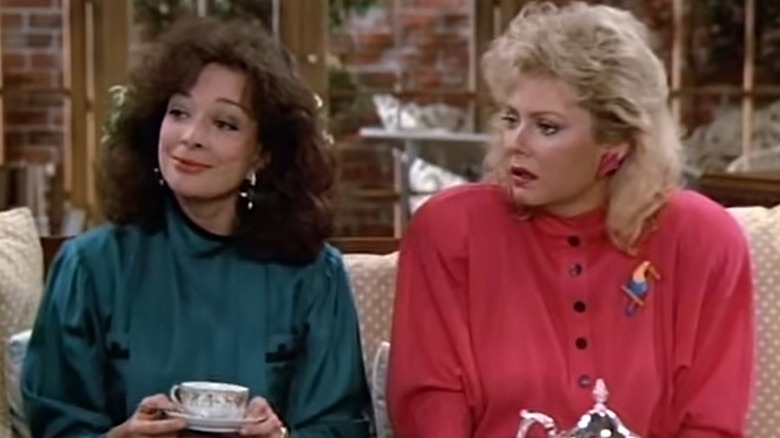
Years before playing the tough, fun-loving Meemaw on "Young Sheldon," Annie Potts played head designer Mary Jo Shively on "Designing Women." The sitcom lasted seven seasons from 1986 to 1993 and centered on the Atlanta interior design firm Sugarbaker & Associates. Utilizing the effective ensemble concept of the decade, much of the sitcom's charm stemmed from the humorous chemistry amongst the five women at the firm. It also challenged conceptions of the South and tackled contemporary issues of the decade.
The series was developed by Linda Bloodworth-Thomason, who wrote the first 35 episodes completely on her own. Annoyed by how Southern women were routinely portrayed as uneducated hicks, she aimed to create a show featuring women from the region who were funny and witty, but also complex and intelligent.
A memorable Season 2 episode featured the character Kendall Dobbs (Tony Goldwyn), a gay man succumbing to AIDS who asks the firm to design his funeral. Thomason wrote the episode after her mother was diagnosed with HIV, and she witnessed the prejudice medical staff subjected HIV/AIDS patients to. The episode earned her an Emmy nomination for Outstanding Writing in a Comedy Series.
Kate & Allie
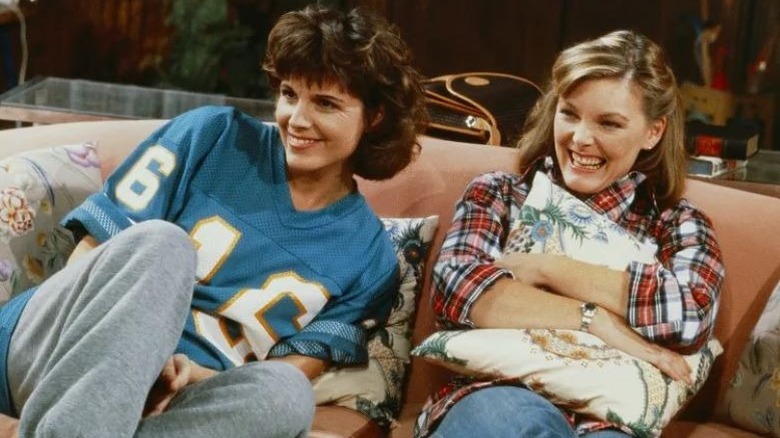
One of the funniest duos on CBS was Kate McArdle (Susan Saint James) and Allie Lowell (Jane Curtin), two divorced mothers and childhood friends living together on "Kate & Allie." On the show, Kate, an independent and free-spirited travel agent, lives in a Greenwich apartment with Allie, a conservative homemaker. Sharing the house were Kate's daughter Emma (Ari Meyers) and Allie's children Chip (Frederick Koehler) and Jennie (Allison Smith).
It was conceptualized by Sherry Coben after attending her high school reunion and seeing how her divorced female classmates were supporting each other. The show was an instant hit for CBS, and the series aired for five years. The chemistry between Curtin and Saint James was the driving force of the show, as their contrasting personalities often clashed despite their friendship.
Two independent women living together with their respective children reflected changing gender norms of the decade. The two main characters were not dependent on a man to provide for their families, and the show helped to redefine family sitcoms. Like other works of the 1980s such as "Family Ties" and "Full House," "Kate & Allie" updated the genre from the conventional idea of a nuclear family.
Murphy Brown
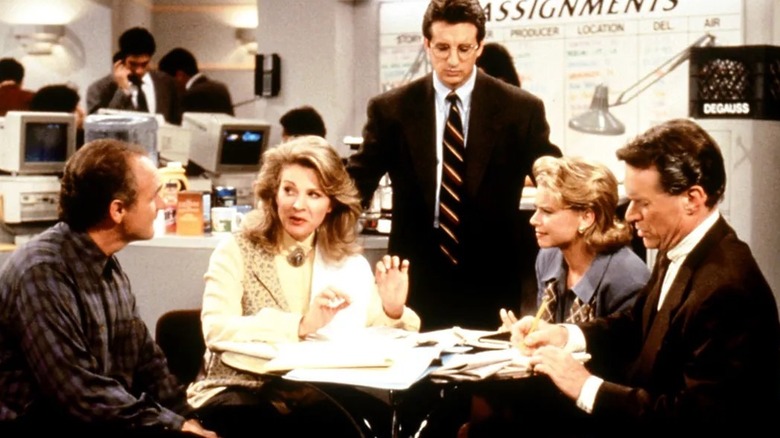
"Murphy Brown" is impossible to find on any streaming service, but audiences of the 1980s are sure to remember the fiery-tongued titular journalist played by Candice Bergen. Lasting for ten seasons on CBS, the sitcom premiered near the end of the decade in 1988. It centered on investigative journalist Murphy Brown, who is returning to work at her old magazine "FYI" in Washington, D.C., after addiction treatment for alcohol.
The independent and unapologetic journalist had a hot temper and fiercely defended her views and place amongst her male colleagues. As such, her character was not defined by traditional gender norms, a trend that 1980s television would be well remembered for. These qualities were carried into the 1990s, which led to backlash from then-Vice President Dan Quayle in 1992 when Murphy opted to raise a child as a single mother.
At the time of the series' premiere in 1988, the US was engulfed in culture wars concerning the breakdown of "family values." Murphy's character was something of the epitome — a flawed but highly intelligent, independent, and blunt career woman.
Charles in Charge
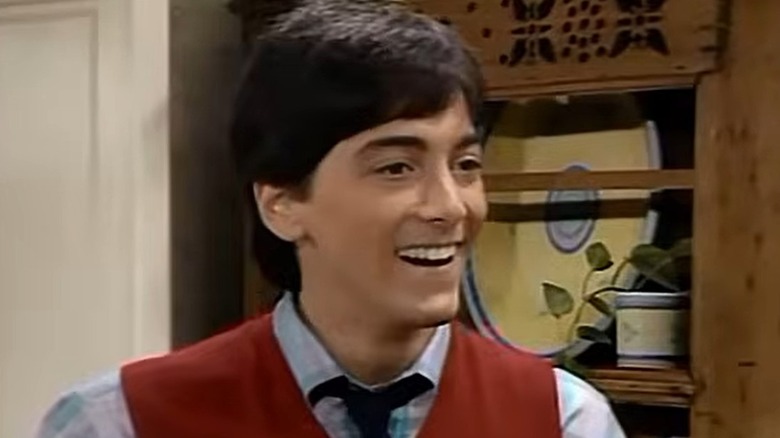
Scott Baio, one of the few surviving cast members of "Happy Days," was a heartthrob in the 1980s. This was owed in part to his role as Charles, the 19-year-old college student working as a nanny on "Charles in Charge." Initially working for the Pembroke family for the first season, he is primarily employed by the Powell family, whom the Pembrokes are subletting to. In each circumstance, he takes care of the children and maintains the house while attending New Jersey's fictional Copeland College.
The five-season sitcom only aired on CBS for one season before the network cancelled it. However, the show was relaunched for first-run syndication and found a revived interest amongst audiences, doing significantly better in the ratings. This was a trend at the time: many sitcoms canceled by networks became first-run syndicated hits. Similar to ABC's "Who's the Boss," "Charles in Charge" helped reflect a shift in male-centered gender norms of the decade. Television during the 1980s saw more male characters in domesticated, caregiving roles that echoed the changing landscape for men's roles in the house.