

5 Cop Dramas From The '80s That Redefined The Genre
The 1980s were an exciting time for cop shows. Television audiences were treated to some of the best new shows that pushed the envelope and secured a legacy that influenced cop shows today.
Up-close camera work and large casts of characters (as well as their intersecting storylines) are police drama aspects that audiences are not only familiar with, but can't get enough of. Because of this, many of the 1980s cop shows still hold up today, and their influence is still prominent in contemporary procedural dramas. Series like "Blue Bloods" and "The Rookie" would not be as popular as they are without the shows that came before, especially during such a monumental decade for television.
In the spirit of celebrating shows that walked the 1980s so others could run today, here is a list of 5 redefining cop shows from the decade. These are not the shows that simply entertained audiences, but introduced them to the true potential of the genre.
Hill Street Blues
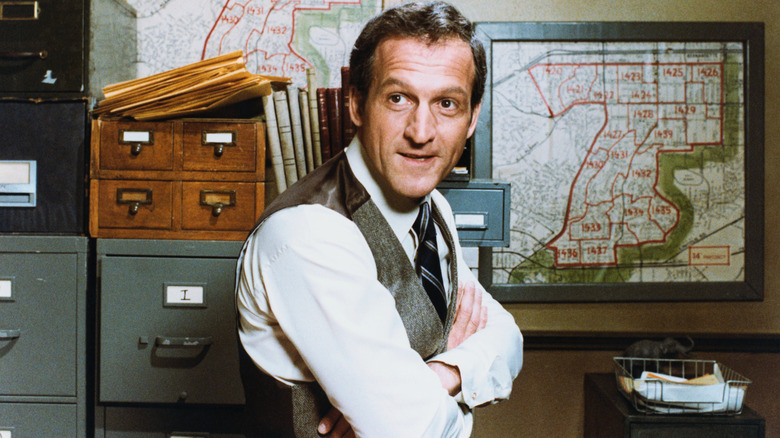
NBC's groundbreaking police procedural, "Hill Street Blues," lasted for six years. It centered on the lives of the officers at the "Metropolitan Police Department" (the city is never named) Hill Street precinct.
Developed by the legendary Steven Bochco, "Hill Street Blues" was groundbreaking for showcasing the personal lives of the officers without a black-and-white lens. The series explored a side of police work that television shied away from, such as urban decay and systemic oppression. It also utilized creative formats that weren't common for cop shows at the time, such as ensemble casts and its use of handheld cameras. This allowed viewers to feel like they were in the fast-paced action with the police characters.
Today, audiences are well accustomed to gritty, morally-grey police procedurals that don't just explore law enforcement, but the enforcers themselves. Shows like "The Wire," "The Shield," and others of the best police procedurals of all time owe their success at least partially to "Hill Street Blues."
Crime Story
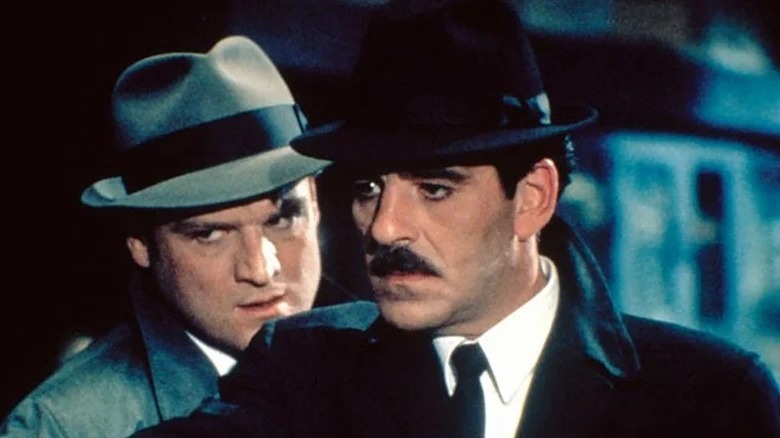
Cop shows like "T.J. Hooker" and "Miami Vice" utilized a "case of the week" format. They would generally begin and wrap up a storyline with each episode. NBC's "Crime Story" pivoted away from that.
Developed by Michael Mann, "Crime Story" centered on the long-standing feud between Chicago police lieutenant Mike Torello (Dennis Farina) and a mobster named Ray Luca (Anthony Denison). Initially set in the 1960s, the series followed the cat-and-mouse struggle between the two against the historical backdrop of the decades, including Luca's trek into Las Vegas casinos. The series also featured a plethora of established celebrity guest stars, and those who had yet to break out in the industry. This included the likes of Ving Rhames and Julia Roberts. Gary Sinise also starred on this groundbreaking crime drama.
Originally intending the timeline to extend into the 1980s, Mann's procedural drama was cancelled after two seasons. During an interview with Entertainment Weekly in 2012, Mann attributed financial issues to the show ending. "What happened there was that we were being financed by New Line." he said. "And their book value plummeted. So it was a financial crisis that kind of did us in more than anything."
Cagney and Lacey
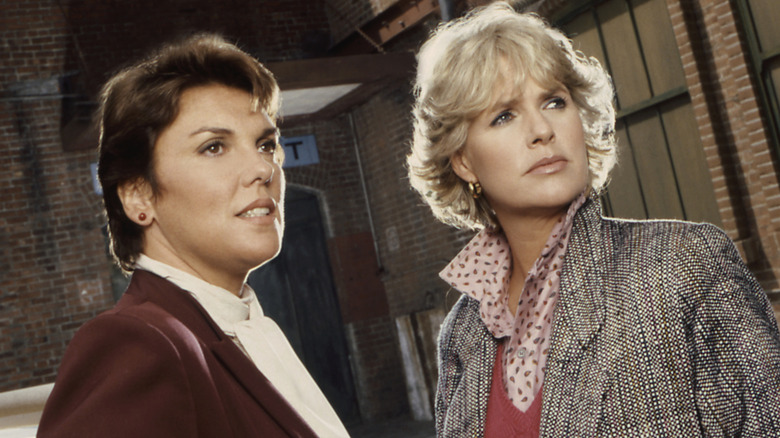
During the 1980s, audiences were already well-accustomed to buddy cop shows like "Starsky and Hutch" and "CHiPs." When "Cagney and Lacey" premiered on CBS in 1982, it was the first weekly police drama centering on two female cops.
Single, workaholic Christine Cagney (Meg Foster/Sharon Gless) and married mother Mary Beth Lacey (Tyne Daly) are two partnered NYPD detectives. Like many cop dramas of the time, the series also intermixed their personal lives into their work. In Season 2, they are even forced to work with Christine's drug-addicted ex-boyfriend Dory McKenna (Barry Primus), an NYPD sergeant.
It was initially cancelled after six episodes, with executives worried audiences would think the two characters were lesbians. It returned after Gless replaced Foster as Christine. Because of low ratings, it was cancelled again in 1983. Despite the ratings, people underestimated how much fans enjoyed the show. In fact, there was a massive letter-writing campaign to bring the show back. It worked, and CBS put the show back on for four more years before its final cancellation.
21 Jump Street
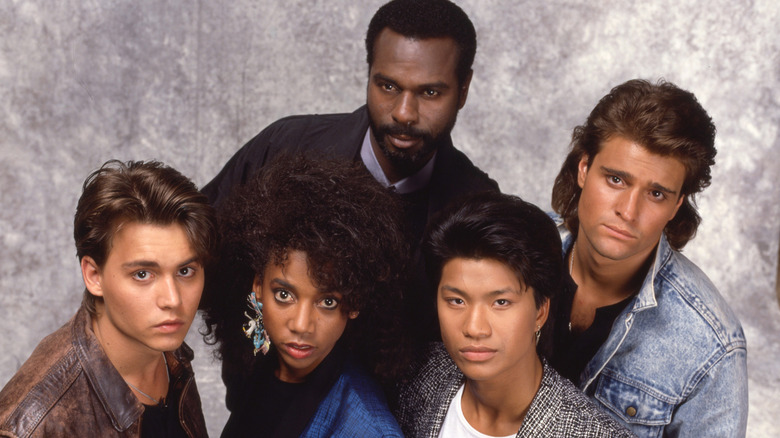
Years before becoming a comedy film series starring Jonah Hill and Channing Tatum, "21 Jump Street" was a cop show featuring a young Johnny Depp as Tom Hanson. The show centered on Tom and a group of young police officers going undercover in high schools and colleges to work cases involving youth.
"21 Jump Street" was unique because it blended cop drama and teen drama, and the series launched Depp into stardom as a teen heartthrob. It also dealt with contemporary issues that most teen-centered shows shied away from. In Season 3, officer Judy Hoffs (Holly Robinson Peete) goes undercover as a pregnant youth to investigate violence against a fertility clinic. In the episode, she reveals that she had an abortion as a teenager and never told her mother about it. The resulting guilt has wracked her ever since. The show also launched Fox into the spotlight. "21 Jump Street" was Fox's first series to beat out ABC, NBC, and CBS during its time slot.
Miami Vice
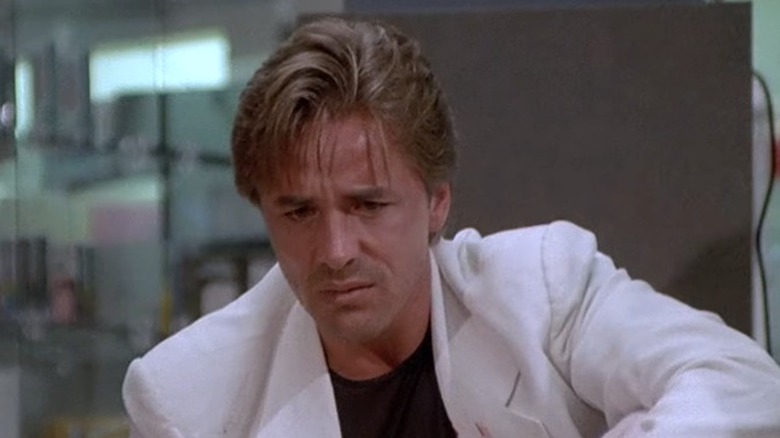
As popular as cop dramas are, it's no secret that they aren't the most realistic portrayals of police procedure. But that gives them license to push for entertainment over realism. This is the premise that "Miami Vice" stood on.
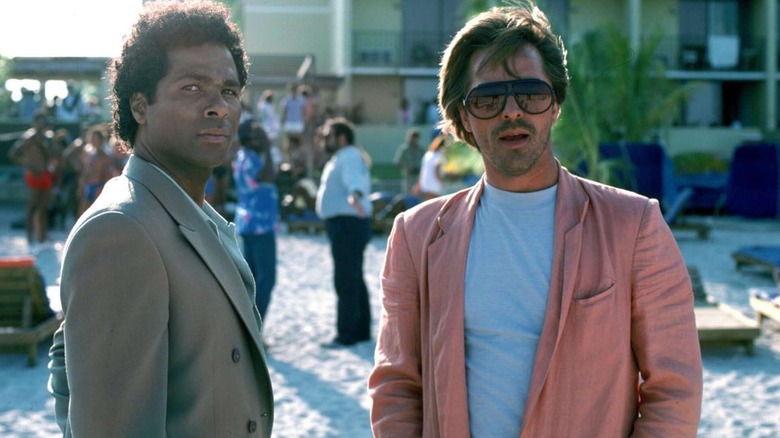
The flashy, big-budget cop drama aired on NBC from 1984 to 1989. It centered on James Crockett (Don Johnson) and Ricardo Tubbs (Phillip Michael Thomas), two undercover vice detectives of the Metro-Dade Police Department in Miami. The two regularly worked cases involving drug/weapons trafficking and other illicit "vice" activities.
The flashy sports cars featured in the series remain one of the most iconic aspects of "Miami Vice." Italian cars like Lamborghinis and Ferraris were on full display for US audiences as Crockett and Tubbs sped them across the neon-soaked Florida streets. While the snappy fashion of the characters and constant interjections of pop music (which attributed to over $10,000 spent on licensing per episode) may not have been an accurate representation of police, they certainly represented the aesthetic of the 1980s.