

Rod Serling's Other Twilight Zone-Style Show Traded Sci-Fi Tales For Supernatural Horror
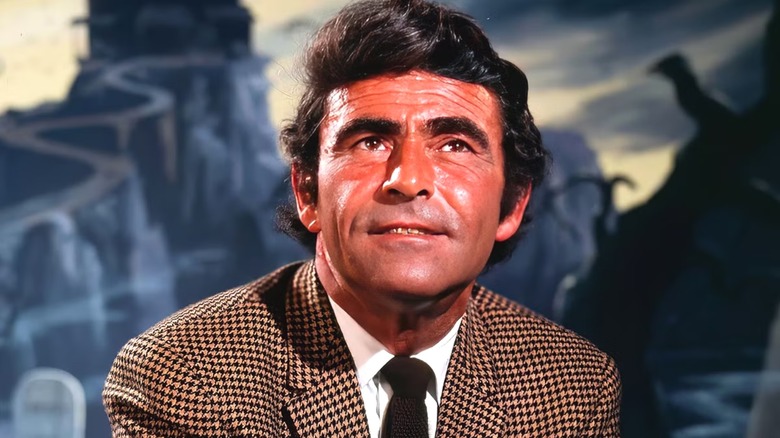
"The Twilight Zone" used the anthology format to tap into speculative sci-fi. Series creator, host, and narrator Rod Serling used fantastical allegories to explore real-world anxieties, creating a show that went on to inspire countless writers and directors. "The Twilight Zone" is easily one of the best CBS shows of all time, thanks to its willingness to push the limits of the sci-fi anthology format on television. The show, however, isn't the only anthology Serling helmed. Starting in 1969, with an extended pilot episode, "Night Gallery" ran on NBC for three seasons with Serling as creator and host, although it switched out sci-fi for supernatural horror.
"Night Gallery" uses an art gallery as the show's setting, with Serling appearing as the curator who narrates the strange and macabre tales. He unveils various paintings that capture the essence of each story, introducing them as "a frozen moment of a nightmare."
While "The Twilight Zone" mostly relied on original scripts about alien invasions, time travel, and philosophical dilemmas, "Night Gallery" often adapted classic fantasy tales or genre authors like H.P. Lovecraft. For instance, the episode "Cool Air" is based on a Lovecraft short story of the same name, which turns a mundane scenario into a source of terror.
Steven Spielberg directed a segment for Night Gallery's pilot film
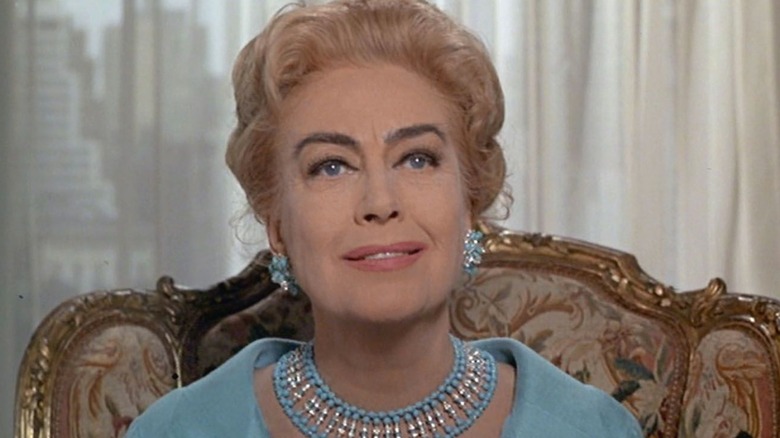
The pilot for "Night Gallery" consists of three segments, all penned by Serling. That said, the second segment, titled "Eyes," was directed by none other than Steven Spielberg. "Eyes" stars Joan Crawford as the self-serving Claudia Menlo, a blind upper-class woman who blackmails a surgeon into performing a risky procedure on her eyes. "I did not know what I was doing half the time because it was intimidating. I had never worked with a crew that size before," Spielberg explained during the 2022 TCM Classic Film Festival while talking about his first television job.
The rest of "Night Gallery" is a mix of the whimsical and the macabre, with some hard-hitting tales grounding the more fantastical segments with reminders about everyday horrors like betrayal and heartbreak. Although Serling was an irreplaceable part of "Night Gallery," he wasn't happy with the limited creative control he had over this NBC anthology.
"['Night Gallery'] was supposed to be a much more cerebral exercise; it was supposed to be much more diversified in its approach to things," Serling explained during an appearance on "The Dick Cavett Show" in 1972. "It could be all things — science fiction and fantasy and the occult and the bizarre. But unfortunately, it's been an inconsistent show," Serling mused.