

The Lord Of The Rings: The Rings Of Power's Lossoth References Explained
Contains spoilers for "The Lord of the Rings: The Rings of Power" Season 3, Episode 1 – "Marnûkh"
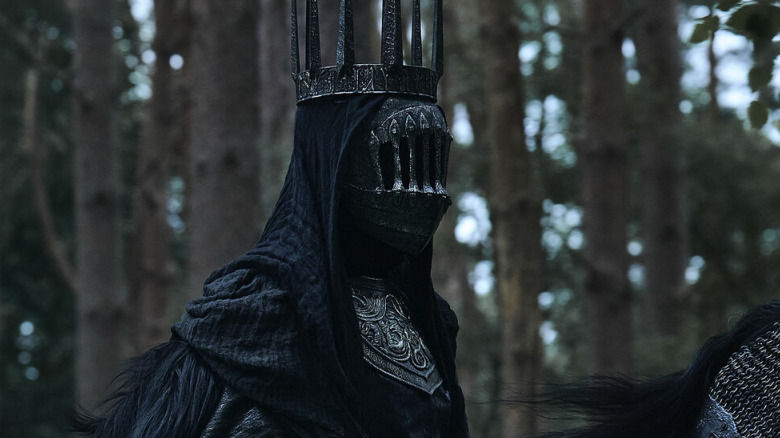
"The Rings of Power" Season 3 has arrived, and right in the first episode, things get moving quickly. One of the biggest additions is the arrival of the Nazgnagôl. These are proto-versions of the Nazgûl from "The Lord of the Rings" who are still in their human form — they have Rings of Power, but they haven't turned into the ghoulish creatures we know and love from "The Lord of the Rings" yet. Halfway through Episode 1, Galadriel (Morfydd Clark) fights one of these new Ring-servants of Sauron. When she tells Elrond (Robert Aramayo) about the encounter afterward, she says, "I fear he may have been king of the Lossoth."
The reference comes out of nowhere, and it's never explained. Who are the Lossoth? While the "Rings of Power" show is set in the Second Age of Tolkien's world, the reference is to a part of the author's legendarium set thousands of years later during the Third Age. In the appendices of "The Return of the King," one of Aragorn's royal ancestors named Arvedui is defeated by the Witch-king (the same guy Éowyn kills in the movie by the same name). Arvedui flees north until he finds the Lossoth. How far north? Basically, if you look at the Middle-earth map and go straight above the Shire by about 300 miles (until you hit the top), you find an area called the Forodwaith. That's where the Lossoth live.
The Lossoth are a chilly tribe in Tolkien's world
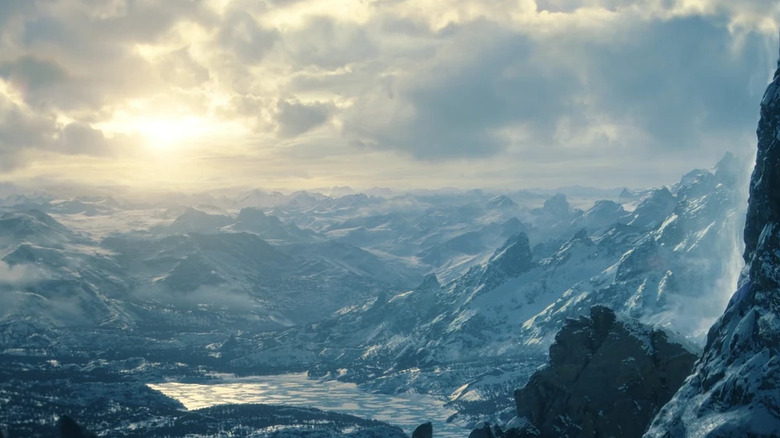
In "The Return of the King," we get a single-paragraph summary of the Lossoth (which is a lot more than we get for many other parts of Tolkien's world). The group is described as an unfriendly and odd community, living in the icy cold regions of northern Middle-earth. As for their culture, here's what Tolkien says: "The Lossoth house in the snow, and it is said that they can run on the ice with bones on their feet, and have carts without wheels."
The indirect reference to an Inuit-like or Scandinavian way of life dependent on things like ice skates and sleds is a fun shift from many of Tolkien's more traditional mythological societies, which often feel more medieval or like ancient Egypt or Greece. Arvedui doesn't get a warm reception from the Lossoth, because they're afraid of the Witch-king, but they show him compassion, giving the exiled king some food and shelter, and, eventually, helping him along his way.
It's interesting seeing the group mentioned in "The Rings of Power" as the actual Lossoth appear much later in Tolkien's legendarium. The episode with King Arvedui happens two thousand years into the Third Age. They are preceded by an ancestral group that Tolkien simply calls "the Forodwaith, Men of far-off days, accustomed to the bitter colds of the realm of [Sauron's original master] Morgoth." But in the show, it's the Lossoth, not their ancestors, who are mentioned.
Why make the King of the Lossoth a Nazgnagôl?
The area where the Lossoth live has already shown up in Prime Video's "The Lord of the Rings" show. Right at the beginning of the premiere of "The Rings of Power" Season 1, Galadriel leads her Elven soldiers into the Forodwaith, but there are no humans living there. So, why make the King of a future group like the Lossoth a ring-bearer? Part of the motivation might be because we don't know who most of the actual ring-bearers are.
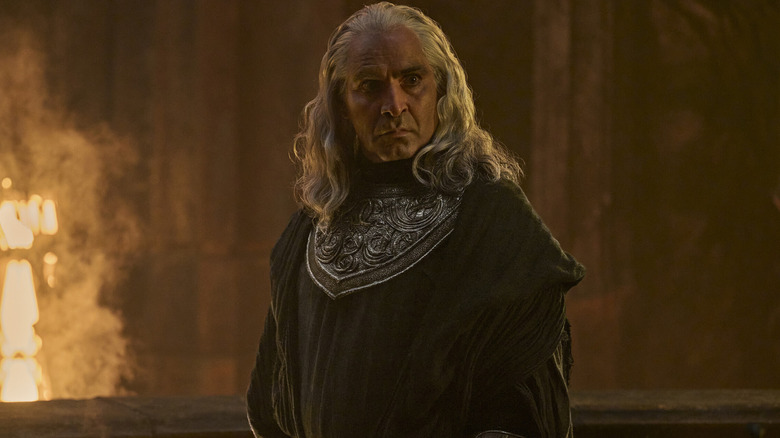
Of the nine Mortal Men doomed to die who get Rings of Power from Sauron, Tolkien only ever names one. That individual is Khamûl the Easterling, who is played by Zubin Varla and was introduced in the Season 3 premiere. Apart from Khamûl (who is from the east, not the north of Middle-earth), the only other title we get is the Witch-king of Angmar. But even then, we don't get an actual name or an identity. Apart from that, Tolkien only gives us little hints.
In "The Silmarillion," Tolkien says that three of the Nazgûl are originally from Númenor. He adds that "Those who used the Nine Rings became mighty in their day, kings, sorcerers, and warriors of old. They obtained glory and great wealth." But again, no names. "The Rings of Power" is changing that by connecting specific people to the Rings of Power (which already differ in the Prime Video series compared to Tolkien's books). It's a chillingly detailed honor roll — one that now includes the King of the Lossoth.