

5 Cop Dramas That Were Canceled Too Soon
From "NYPD Blues" to "The Wire," many cop shows have enjoyed a long, successful place on television redefining what a cop drama should be, but some of them were short-lived, even though they deserved better. Cop shows have taken audiences by the hand and satisfied their appetite for the procedural and substantive aspects of law enforcement. The intersection of grizzly shootouts, department politics, and the personal lives of police officers makes for a unique, entertaining look at one of society's most dangerous professions.
It goes without saying that several shows fitting this description have aired over the years, but not all of them enjoyed as long a life as "CSI" or "Law and Order." Sprinkled throughout the history of cop shows are the ones that had great ambition, but never got the chance to fully blossom into what they could've been. In honor of those series that got the boot before they could reach their full potential, here is a list of five cop shows that were taken down far too early.
Paris (1979)
A one-season series, "Paris" featured James Earl Jones in his first television starring role as Woodrow Paris, a captain with the LAPD supervising a group of young detectives. Aside from his position as a police officer, the series also showcased his home life with his wife Barbara (Lee Chamberlin) and his second job as a criminology professor at a college.
This CBS series was conceptualized by legendary producer Steven Bochco, who would go on to develop procedural dramas like "L.A. Law" and "Hill Street Blues." Despite good reviews, the show was cancelled after airing only 11 of the pilot season's 13 episodes.
The behind-the-badge look at the main character's life outside the police department was not common for cop shows during this time. This is a structure that Bochco would implement in most of his work. Unfortunately, it was not enough to save the show with a 10:00 pm Saturday time slot. This was one of the worst times of the week to air a show. Most people were either in bed or out with friends at that time.
Prodigal Son (2019-2021)
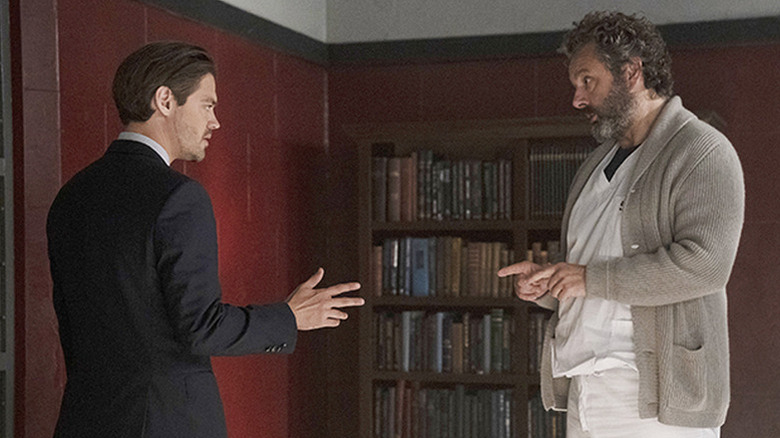
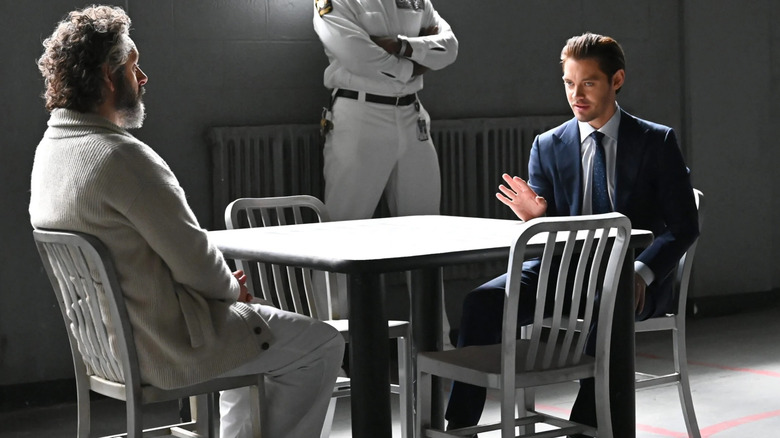
Fox's two-season crime/psychological drama "Prodigal Son" featured Thomas Payne from "The Walking Dead" as Malcolm Bright, a former FBI profiler working as a consultant with the NYPD to solve crimes. On the show, Bright regularly consults with his incarcerated serial killer father, Dr. Martin Whitly (Michael Sheen), a former surgeon.
Taking a page from shows like "Hannibal" or like "Criminal Minds," the series utilized the always-intriguing aspect of seeking advice from criminals about the anatomy of crimes. This specific dynamic happening between a father and son is what made the show truly stand out. Sadly, it wasn't enough to keep it going.
Fox cancelled the series after the second season, owing to a drop in viewership from the first season. According to Deadline, the show's status was already on thin ice since it barely got approved for a second season, making the lower ratings the final nail in the coffin. Nevertheless, "Prodigal Son" maintains a loyal fanbase, and audiences could've seen further growth with Bright's professional and familiar relationship with his father. Unfortunately, the series was axed before this could happen.
Crime Story (1986-1988)
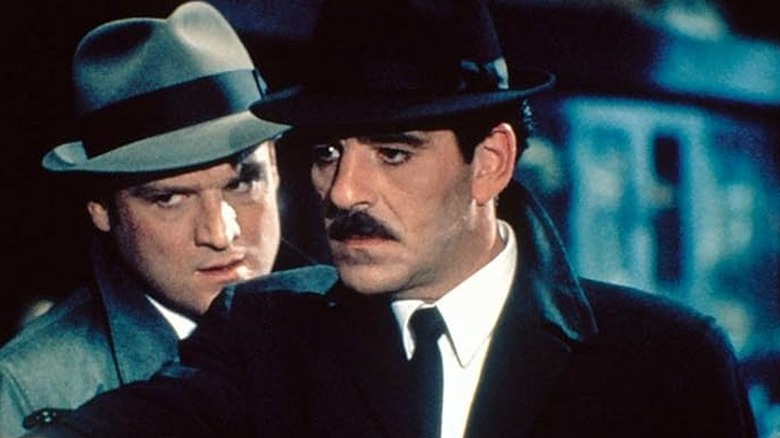
While the 1980s had no shortage of cop shows, show developer Michael Mann took a unique approach to the genre with "Crime Story." Its premise, beginning in the 1960s, centered on the specific feud between Chicago police lieutenant Mike Torello (Dennis Farina) and psychopathic mobster Ray Luca (Anthony Denison). Luca rises through the ranks of organized crime, eventually bringing the feud to Las Vegas when he gets involved with casinos.
Rather than utilizing a "case of the week" format that was standard for most cop shows at the time, "Crime Story" told a continuous story throughout the series. While the structure of the show was intriguing, NBC cancelled the series after only two seasons. It aired Tuesday nights at 9:00 pm, the same time slot as ABC's "Moonlighting." The historical backdrop of the series also incurred high costs that NBC could no longer justify. As a result, they pulled the plug on Michael Mann's series.
The Bridge (2013-2014)
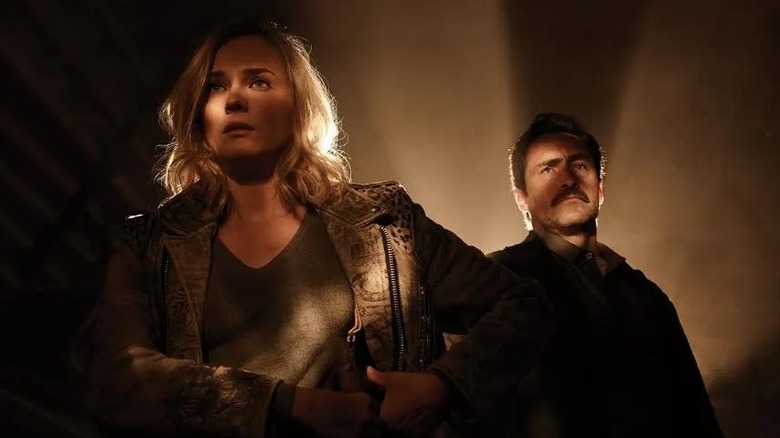
Based on a Scandinavian series of the same name, "The Bridge" centers on the partnership of two detectives pursuing a cross-border serial killer. In this FX crime drama, Sonya Cross (Diane Krueger) is a tight-laced detective with the El Paso Police Department who teams up with Chihuahua police officer Marco Ruiz (Demián Bichir) after someone is found murdered on a bridge connecting Texas with Mexico.
While most cop shows are centralized to one location like Los Angeles or New York City, "The Bridge" was unique for featuring an international setting. Being primarily set around the border, the series explored US/Mexican relations while following Ruiz and Cross' pursuit of the killer.
Unfortunately, the series saw a steep audience drop with its second season, which shifted focus to international issues like cartels and human trafficking after the original showrunner left. FX was also discouraged by the show's lack of accolades and did not renew it for a third season.
Backstrom (2015)
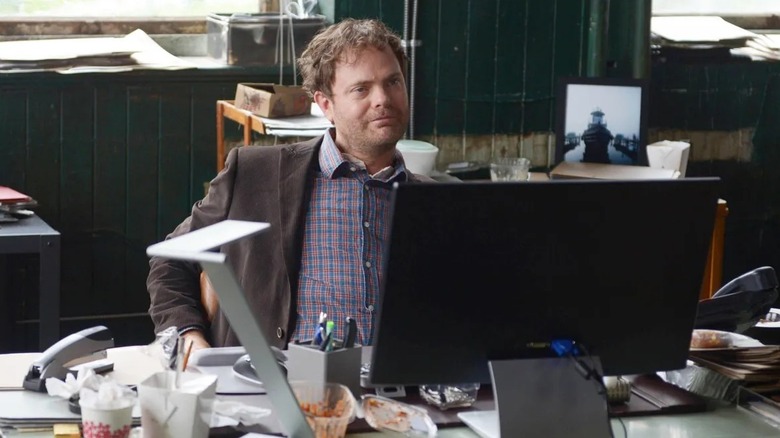
After playing the beet-loving Dwight Schrute on "The Office," Rainn Wilson went from a Pennsylvania paper salesman to a Portland police officer on Fox's "Backstrom." The series featured Wilson as Lieutenant Everett Backstrom, an offensive and misanthropic detective. Despite his negative tendencies and tumultuous working relationship with his colleagues, he is a brilliant and sharp investigator.
Backstrom was the type of character that audiences were not used to seeing Wilson play. His insufferable attitude provided Wilson the opportunity to show off his acting chops. Viewers compared Backstrom's personality to Hugh Laurie's character on Fox's medical drama "House."
After the first season ended, Fox did not renew it for a second season. Despite very good viewership of the premiere episode, the ratings declined every week following. While Wilson's character was well-portrayed, his brash nature made him unlikable to audiences and critics. If given more time, however, Backstrom could have grown into a likable and respectable character, and personal layers to his complicated self could have been explored more fluently.