

10 Most Disappointing TV Show Revivals Of All Time, Ranked
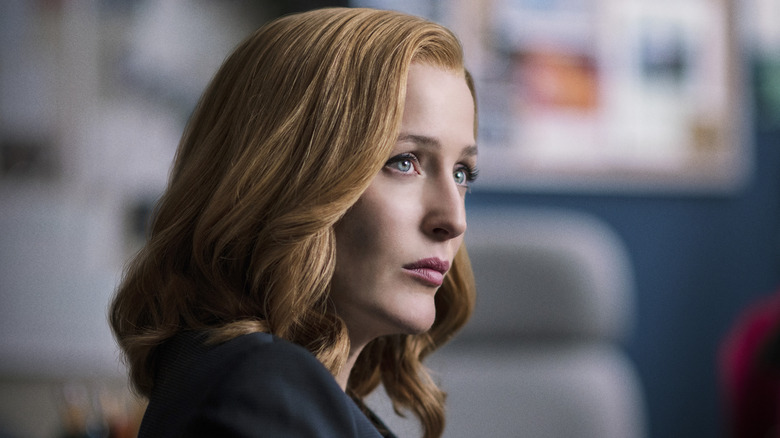
These days, TV show revivals are a dime a dozen. Every other day, your entertainment news feed gets hit with an announcement that "Girls" is returning to HBO with new episodes, or that Hulu subscribers are getting treated to new seasons of "Scrubs" and "Malcolm in the Middle" with their original casts. However, not every television fan is lucky enough to get a critically acclaimed reboot of their favorite series.
In fact, more often than not, television revivals don't do a great job of recapturing the original series' magic. While some revivals ruin perfectly good series with unnecessary reunions, others try to right the wrongs of the show's past. Some simply try and fail to fix storylines that fans hated. Other attempts to restore a show's status quo following a premature cancellation don't do a good enough job of mending the frustrating cliffhangers audiences were left with for years, possibly decades.
What these 10 TV shows all have in common is that, at some point during their runs, audiences looked forward to new episodes every week. However, the revivals did little to further the shows' legacies, and ended up just feeling like cheap cash grabs from TV executives who couldn't just let their dead horse rest in peace.
10. Veronica Mars
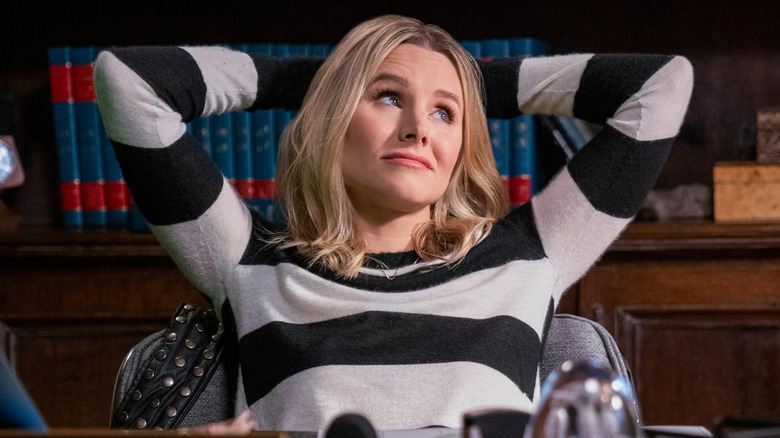
The biggest faux pas creators can make when bringing a show back from the dead is antagonizing fans of their most popular ship. That's definitely a big reason why "Veronica Mars" has been dormant since its 2019 Hulu revival, given that its twist ending includes a cliffhanger so devastating that it ruins what is otherwise a return to form for the adolescent detective turned adult private investigator. It's especially a misguided choice given that, with the cast of "Veronica Mars" being older, the central appeal of the show's premise had already been absent from the new season.
"Veronica Mars" initially began with Kristen Bell as the titular teenage antihero investigating her best friend Lilly's (Amanda Seyfried) murder after her father, Sheriff Keith Mars (Enrico Colantoni), is demoted for falsely accusing Lilly's father of the crime. However, in the revival, Veronica is no longer the underdog but a partner in sleuthing along with her father, investigating a higher-stakes case involving the Mexican mafia, a serial bomber, and corrupt politicians.
This massive change in tone for the season's primary mystery wouldn't have been such a major problem if the showrunners had gone through with Veronica marrying her longtime love interest, Logan Echolls (Jason Dohring), in the finale. However, moments after they tie the knot, Logan is killed in a random car bomb, a devastating turn of events for Veronica that's just plain disrespectful to all the fans who'd been rooting for her and Logan since the start.
9. Mad About You
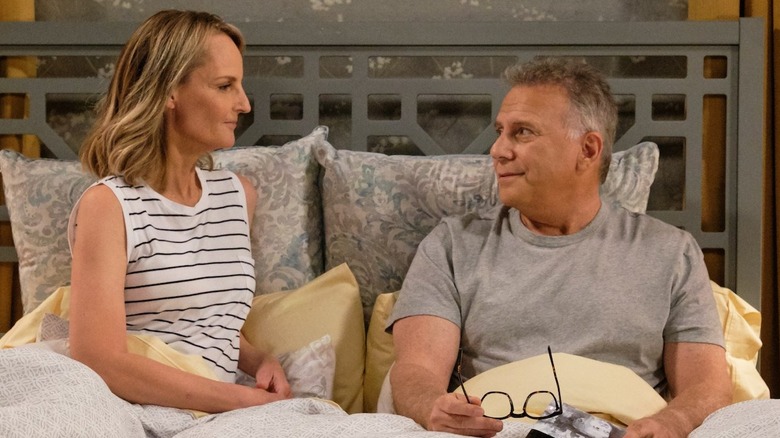
"Mad About You" was a hugely successful sitcom in the '90s, a comfort series focusing on Paul (Paul Reiser) and Jamie (Helen Hunt) Buchman, a newlywed couple living in New York City. Despite running for seven seasons before ending in 1999, "Mad About You" was revived 20 years later as a Spectrum original series. Sadly, the showrunners missed a perfect opportunity to pick up right where the series initially left off.
The original "Mad About You" series finale, "The Final Frontier," is an ambitious end to the sitcom, flashing forward 22 years into the future, when Paul and Jamie's daughter, Mabel (Janeane Garofalo), has become a filmmaker like her father. Creating a biopic of her own life, Mabel tells the story of how Paul and Jamie's marriage falls apart, only for them to reunite after a meet-cute at Mabel's film premiere and rediscover their love for one another. However, when "Mad About You" returned for its revival, this entire episode was retconned.
Namely, the Spectrum revival sees Paul and Jamie struggle to be empty nesters after Mabel (now played by Abby Quinn) leaves for NYU. Not only is it inconsistent with the memorable way the original show ended, but as a whole, the "Mad About You" revival is a bland relic of sitcoms past, doing little to update the series for a modern audience besides making great background noise.
8. MADtv
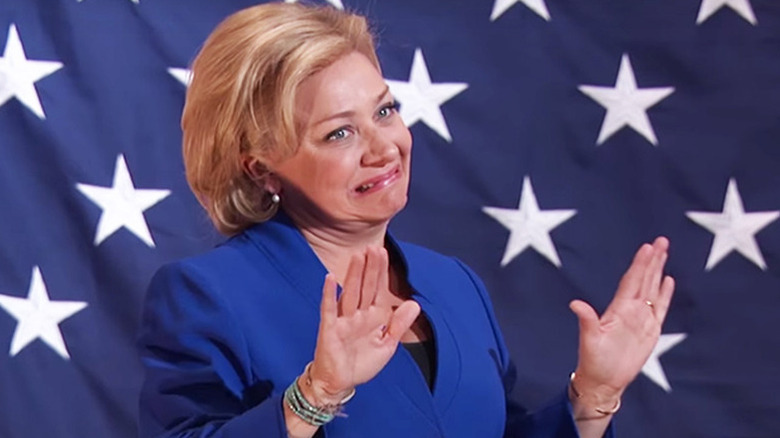
There was a point in time when "MADtv" was seen as a genuine competitor to sketch comedy shows like "Saturday Night Live," often including edgier subject matter, a younger demographic, and a more consistent cast throughout its run. In its prime, "MADtv" boasted talent such as Phil LaMarr, Nicole Parker, Ike Barinholtz, Keegan-Michael Key, Jordan Peele, Alex Borstein, and Michael McDonald, some of whom were on the cast right up until its cancellation in 2009. It's only a shame that, when The CW decided to revive the series in 2016, it couldn't emerge from its own shadow.
In addition to introducing eight new cast members to the "MADtv" family, nine original series veterans appeared across the eight-episode reboot. As a result, the show always felt stuck between trying to tread new ground and blatant homage, which was especially ineffective at a time like 2016, when "SNL" and "The Daily Show" were thriving with biting satire of the year's divisive politics. Almost nothing from the revival has had the longevity of the original series' best sketches, like "iRack" or "The Sopranos (Made for TV)."
Though new cast member Adam Ray has since seen success with his Dr. Phil impression and "The Adam Ray Show" on Netflix, the "MADtv" revival was a failed attempt to recapture a show that, for a time, was an influential comedy institution. If anything, the sketches from 2016 feel surprisingly lazy for a show that was iconic for being relevant and racy.
7. The X-Files
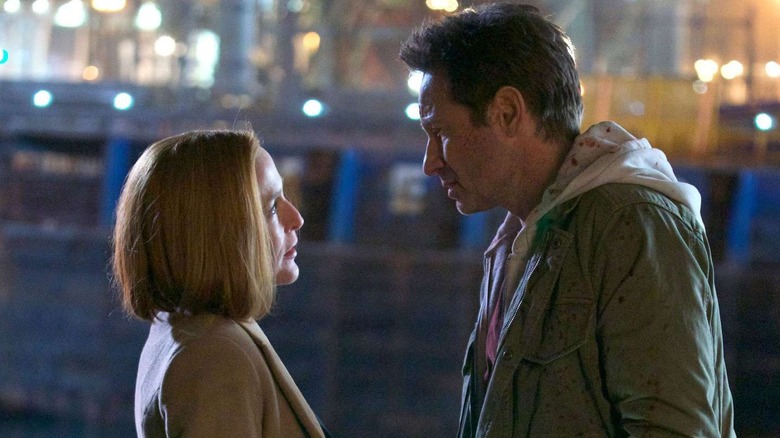
"The X-Files" has had as on-and-off a relationship with television as its lead characters, Dana Scully (Gillian Anderson) and Fox Mulder (David Duchovny). After premiering in 1993, the series became a seminal work of science fiction television, following its two FBI agents investigating paranormal occurrences despite their vastly different beliefs in the supernatural. The original run spanned nine seasons and had two feature films before Fox revived it for two more seasons in the late 2010s, both of which garnered mixed reviews from longtime fans.
Whereas the creepiest episodes of "The X-Files" could send genuine shivers down your spine, the 10th and 11th seasons lean into the campier tone of the original series. There are times when this campy tone works, such as the Season 10 episode "Mulder and Scully Meet the Were-Monster," which guest stars Rhys Darby and Kumail Nanjiani. However, other episodes, like the four-part "My Struggle," which opens and closes both seasons, feature some of the most infamously bad narrative turns in the entire series.
Ultimately, Seasons 10 and 11 of "The X-Files" feel like a massive step down from the series' heyday, wasting the great chemistry between Anderson and Duchovny with heavy-handed exposition and clunky mysteries across both seasons. At the very least, Ryan Coogler's planned reboot will be a fresh start after Scully and Mulder's story ended on such a lackluster cliffhanger, with Scully revealing to Mulder she's pregnant with his child.
6. And Just Like That...
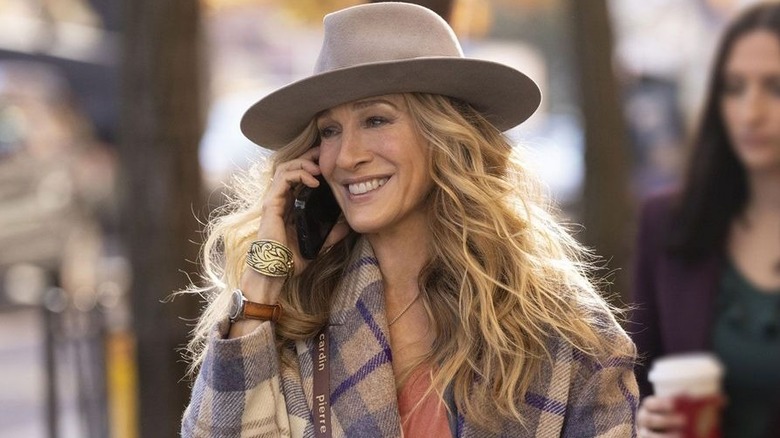
"Sex and the City" didn't exactly need a reboot to stay in the public consciousness, given that every generation has rediscovered the series, debating whether they're a Carrie, Samantha, Miranda, or Charlotte. However, HBO revived the series anyway with "And Just Like That...," set in the present day, where Carrie Bradshaw (Sarah Jessica Parker), Charlotte Goldenblatt (Kristin Davis), and Miranda Hobbes (Cynthia Nixon) remain friends while Carrie hosts a sex-positive podcast instead of writing her newspaper column. Though to address the elephant in the room: where's Samantha (Kim Cattrall)?
As is the case with many TV revivals that are doomed from the start, "And Just Like That..." tries to recapture the magic of "Sex and the City," but without one of its four main characters. That's not the only thing original fans of the series will take issue with, as there are numerous instances where "And Just Like That..." forgets what happens on "Sex and the City," creating continuity errors and inconsistent characterizations across the revival's three seasons.
Ultimately, the show's attempts to update "Sex and the City" for a more modern, socially conscious era just highlight the ways the original series has aged poorly. Even compared to its predecessor, "And Just Like That..." is melodramatic, awkward, and inauthentic, but it's also the worst thing a television revival can be: unnecessary.
5. Heroes Reborn
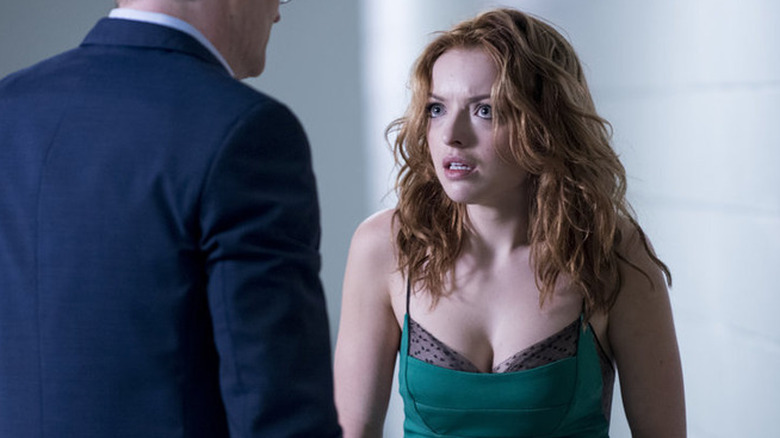
"Heroes" had only been off the air for five years when NBC rebooted it under a new title, "Heroes Reborn." Both a continuation of the previous series and a reboot starring new characters, "Heroes Reborn" at least had promise in its premise. The revival examines a new group of evos navigating an anti-superpower world following a terrorist attack in Texas, one that kickstarts the convergence of new heroes as well as the return of characters like Noah Bennet (Jack Coleman) and Molly Walker (Francesca Eastwood).
The original run of "Heroes," which boasted strong ratings and acclaim in its first season, infamously struggled to maintain its quality as it continued. Later seasons were notably criticized for their slow pacing and dark tone, so much so that creator Tim Kring issued public apologies to the fans for letting them down. Letting "Heroes" rest for a few years and then returning with a new flock of evos, trying to recapture the energy of the first season, might've been a good choice, had the actual result been anything more than an emotionally manipulative, frustrating continuation of the original series.
New characters are introduced and killed off before fans can get attached, storylines are just as cheap as they were in "Heroes," and, according to Hayden Panettiere, Claire Bennet was excluded from the series despite her major importance to the franchise lore. There's revivals that feel like wasted potential, and then there's those that feel like kicking yourself while you're down.
4. Dexter: New Blood
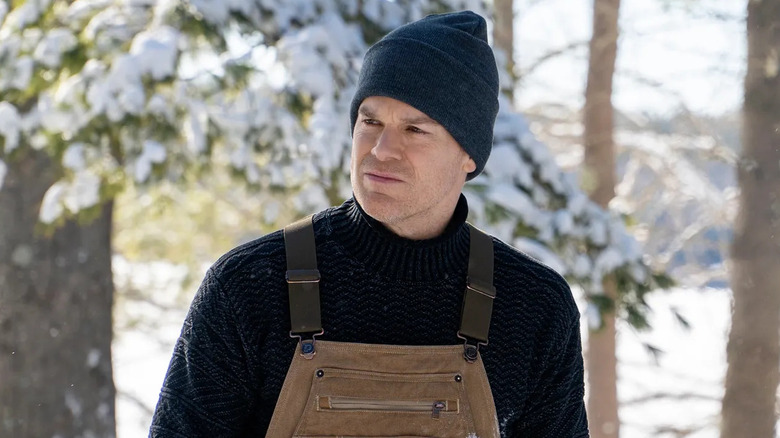
In 2006, Showtime launched one of TV's darkest antiheroes with the crime thriller series "Dexter." It follows Michael C. Hall as the titular forensic analyst who lives a double life as a vigilante serial killer, unbeknownst to his sister, Debra (Jennifer Carpenter), a homicide detective who Dexter works alongside. Despite widespread acclaim for its early seasons, critical reception dropped off in later seasons. The series finale is often considered one of the most controversial and hated television series finales ever, in which Dexter not only pulls the plug on a vegetative Debra, but starts a new life as a lumberjack in Oregon.
That ending remained frustrating until Showtime decided to revive the franchise with "Dexter: New Blood," a sequel series where Dexter reunites with his estranged son, Harrison (Jack Alcott), around the same time a new string of murders starts up in his new home in upstate New York. It's a sorry attempt to undo the terrible finale, and it doesn't make much of an effort to undo any of the other problems that plagued "Dexter" in its later seasons, including melodramatic storylines and shoehorned callbacks to much better seasons.
As if "Dexter" fans haven't suffered enough, the franchise doesn't end with "New Blood." A prequel spin-off, "Dexter: Original Sin," explores what the series would feel like without its lead actor. Meanwhile, "Dexter: Resurrection" continues the story set up by "New Blood" without answering the most important question a revival must answer: Why?
3. The L-Word: Generation Q
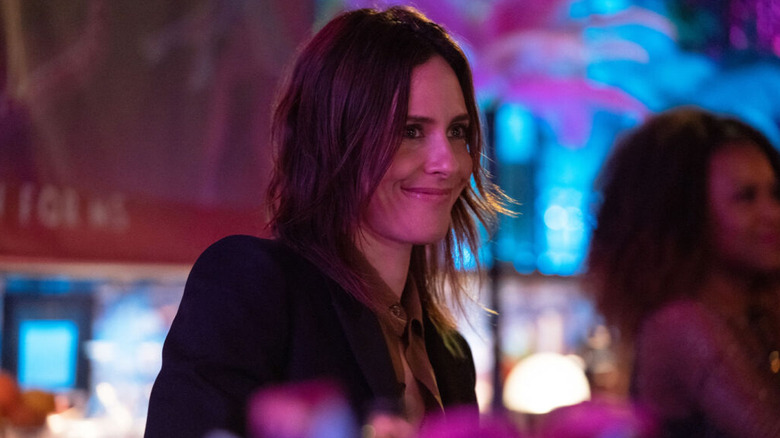
Talk about a fall from grace. "The L Word: Generation Q" is a far cry from the original series that made lesbian stories visible on TV. When it aired from 2004 to 2009, "The L Word" broke ground as the first television series predominantly featuring lesbian and bisexual women on both sides of the camera. Centering on a group of friends in the LGBTQ+ community living in West Hollywood, "The L Word" garnered acclaim early on for its inclusivity and three-dimensional portrayal of queer people.
However, that positive representation waned as the series progressed, resulting in a final season focused on a murder mystery that concludes without identifying a killer. Kicking off a full decade after the original series, "Generation Q" had a lot of ground to make up for, providing an opportunity to catch up with these characters in a world where gay marriage is legalized and LGBTQ+ issues are at the forefront of politics.
Between storylines that stereotype butch lesbians, trans men, and people of color, "The L Word: Generation Q" is a shocking step backward for meaningful queer representation, and it comes from the same show that was a huge leap forward. "Generation Q" was cancelled after Season 3, and despite rumors of a New York-set reboot heading to TV sometime soon, most fans are probably now skeptical about giving it a chance.
2. Arrested Development
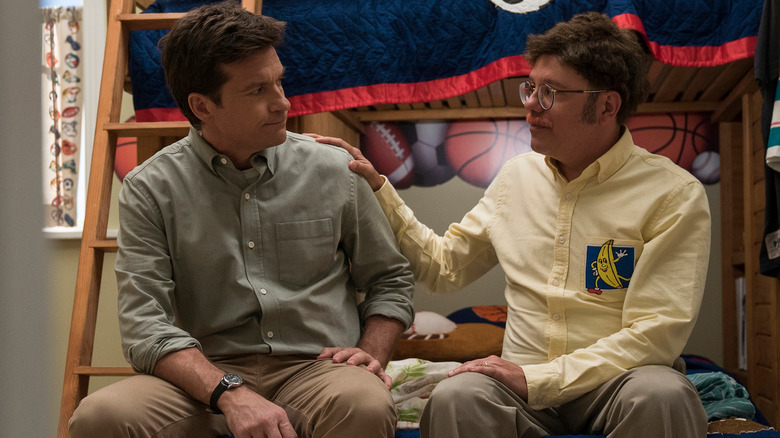
There's an argument to be made that "Arrested Development" is one of the best sitcoms ever made, but the only thing standing in the way of that argument is the fifth season. The show originally aired on Fox for three seasons before being unjustly canceled in 2006, but early on in Netflix's expansion to streaming, "Arrested Development" was revived for a fourth season in 2013. Reviews of the revival were somewhat mixed, given that it doesn't utilize the ensemble cast's chemistry as well as previous seasons, but isolated moments and episodes are just as clever and funny as the original.
Ahead of Season 5's release in 2018, even the most optimistic of "Arrested Development" fans could tell it was only going to get worse. Portia de Rossi, who plays the self-centered Lindsay Bluth, retired from acting, meaning she only appears in a handful of episodes. Meanwhile, behind-the-scenes conflict between Jeffrey Tambor and Jessica Walter kicked the promotional period off with controversy amid discussions of sexual harassment, toxic work environments, and verbal abuse.
All this messiness could maybe be excused if the fifth season had ended up sitting well with fans, but sadly, that wasn't the case. Season 5 is chock full of repetitive jokes, shoehorned references, bad green-screen editing, and stories that just go nowhere. It's an unfortunate fate that a show fans once clamored to have back now just wish it would've stayed dead.
1. Frasier
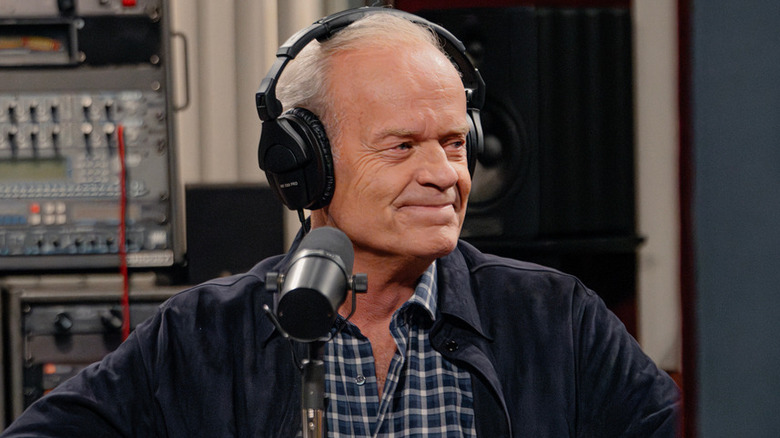
It's ludicrous that "Frasier" ever worked as a series, given that it spun off "Cheers," one of the most successful sitcoms ever made, into a new show focused on Frasier Crane, Kelsey Grammer's arrogant and pretentious psychiatrist, now hosting his own radio program in Seattle. Part of why it worked was pairing Frasier with comedic foils in Niles (David Hyde Pierce), his even more arrogant and pretentious younger brother, Martin (John Mahoney), their retired father, and Daphne (Jane Leeves), Martin's more grounded live-in aide.
"Frasier" ran for 11 seasons, ending in 2004. In 2023, Paramount+ revived it for a sequel series by the same name. Only this time, Niles, Martin, and Daphne don't appear, with the sitcom instead focusing on Frasier's relationships with his firefighter son, Freddy (Jack Cutmore-Scott), and brilliant nephew, David (Anders Keith), while simultaneously taking up teaching at Harvard University. Although Grammer doesn't miss a step in slinking back into the role of Frasier, losing the characters that made the original show successful, as well as its setting in Seattle, just makes the "Frasier" revival feel like a completely different show.
After seeing this revival, "Frasier" fans might appropriately wonder why anyone would think it's a good idea to reboot any sitcom without most of its original cast or premise. The jokes feel dead on arrival, the nostalgia doesn't hit nearly as much as it should, and the new characters pale in comparison to the gravitas we expect from Frasier's scene partners. "Disappointing" is an understatement.