

10 Sci-Fi TV Shows That Deserve A Remake
If a sci-fi TV show gets any significant following whatsoever, it will usually generate talk of a remake, reboot, legacy sequel, or some combination of all three after some time. "Star Trek" is the most notable example, which spawned a massive franchise, but shows like "The Twilight Zone" and "Knight Rider" have been remade more than once (anyone remember the time Val Kilmer was the voice of K.I.T.T.?), while "Quantum Leap" got a remake/requel hybrid recently. "The X-Files" is next in line, and undoubtedly new showrunner Ryan Coogler's hope is that, like Ronald D. Moore's remake of "Battlestar Galactica," it'll be even better than the original.
Remaking popular shows sets a high bar, so why not remake sci-fi shows that maybe weren't so popular the first time around? Some might have had great concepts but subpar execution; others could have been solid shows that simply didn't find enough viewers in their time slot. For at least two entries on the list below, new control of the IP translates to new possibilities that weren't available at the time. For others, it certainly doesn't hurt that special effects technology and streaming budgets have improved tremendously.
Let's take a look at 10 sci-fi shows that deserve a remake.
Perversions of Science
It ought to have been a no-brainer. Following the success of "Tales from the Crypt," which adapted old EC horror comics with modern gore and nudity, HBO tried to do the same for EC's old sci-fi comics. Since the name of one of the publishing company's most popular genre books, "Weird Science," was already taken by a popular '80s movie that also spawned its own TV show, they couldn't really use that title.
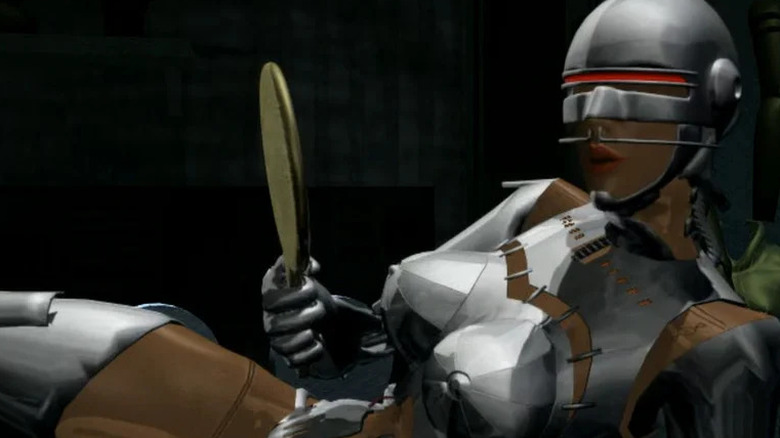
The Crypt Keeper had really caught on as a pop cultural icon, so it follows that "Perversions of Science" also needed a host character. HBO created Chrome, a sexy CG female robot with a penchant for innuendo-laced humor. The scripts amped up the adult content — one of the first episodes featured Kevin Pollak getting his member stuck in a sexbot. (Astoundingly enough, it was directed by William Shatner.)
Adapting the EC comics was a great idea — on the page, those short stories were often worthy of "The Twilight Zone." While they could be dark at times, or feature scary alien monsters, they weren't sex comics and shouldn't have limited their audience by angling that way. The show only lasted 10 episodes; a wealth of material remains. If the "Tales from the Crypt" comics can be adapted more than once — a 1972 anthology horror film predates the HBO series — their sci-fi siblings deserve a second chance as well.
Arrow
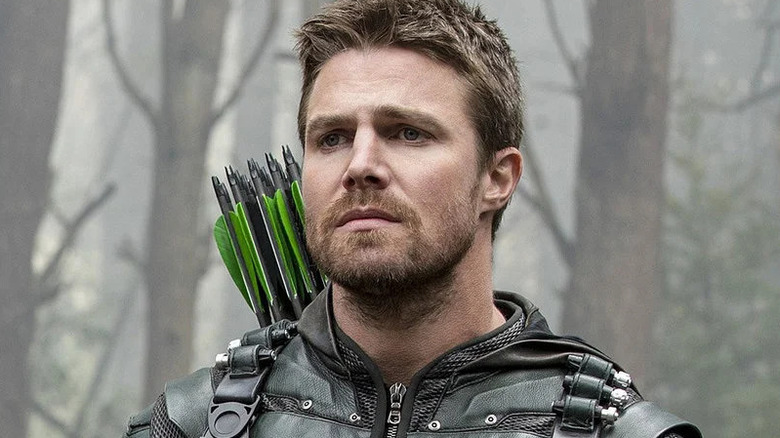
Considering it spawned an entire DC superhero universe on the CW network, it's funny to look back and realize that "Arrow" was initially promoted not as a comic-book tie-in, but a sexy survival adventure with no powers featuring the sort of shirtless hunk (Stephen Amell) that was the network's stock-in-trade at the time. The adventures of Oliver Queen eventually became more traditionally superheroic, making Amell a star and restoring mainstream awareness of the Green Arrow character.
These days, the DC Universe is in the hands of James Gunn and Peter Safran, on both TV and movie screens. Green Arrow probably isn't even in the top 10 list of characters in line for a big-screen feature, but he'd be well-suited for TV, since his only superpower — being really good at archery with trick arrows — isn't too expensive to realize on a lower budget.
Green Arrow's finest moments in comics may have been his team-ups with Green Lantern in a '70s run by Dennis O'Neil and Neal Adams. In those, Green Lantern acted like more of a straitlaced cop and Green Arrow behaved a bit more anarchic and counterculturally inclined than the Oliver seen on "Arrow." An HBO "Green Arrow" show, leading eventually to a crossover with "Lanterns," could become something really special with a few modern tweaks. HBO's lack of censorship could also allow the infamous drug addiction subplot for sidekick Speedy to truly get its due.
Automan
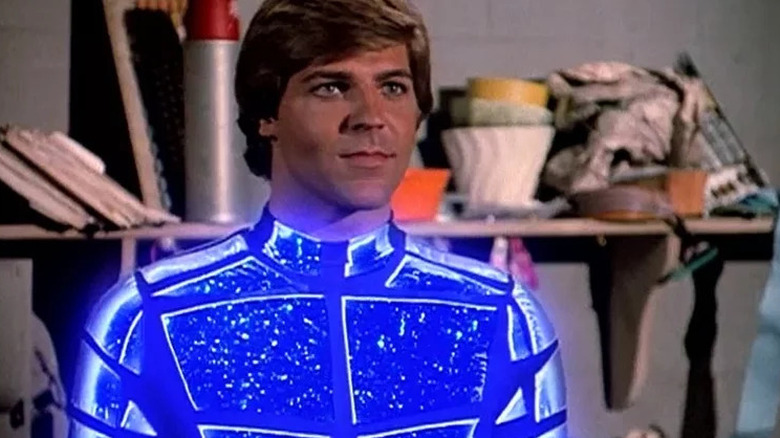
If we didn't know any better, we would guess that prolific producer Glen A. Larson, whom we'll see on this list again, saw 1982's "Tron" and wondered what might happen if he plugged a "Tron"-style character into the standard '80s mismatched cop buddy formula. In a glowing blue bodysuit, Chuck Wagner played the title character (who also used the alias "Otto Mann"), a sentient computer program whose digital sidekick Cursor could basically 3D print objects out of nothing. Automan's creator, Walter Nebicher (Desi Arnaz Jr.) was a nerdy cop assigned to the computer department.
In an age of ubiquitous AI, 3D printing, and "Tron" aesthetics come true — the "Autocar" could've plausibly influenced the design of the Tesla Cybertruck — "Automan" could be more relevant than ever. The original series was written at a time when the general population didn't really understand computers, and screenwriters imagined they could do pretty much anything. A remake would have to adapt, perhaps by making the character of Automan more of an actual hologram, rather than a tactile fantasy version of a hologram. Given his ability to travel the internet, however, he could be even more powerful than his earlier incarnation.
Arnaz Jr. is mostly retired, but Wagner is still around and even made a cameo in the 2017 short "Hewlogram," a parody of "Automan." Why not bring him back for a revival of the real thing?
The Gifted
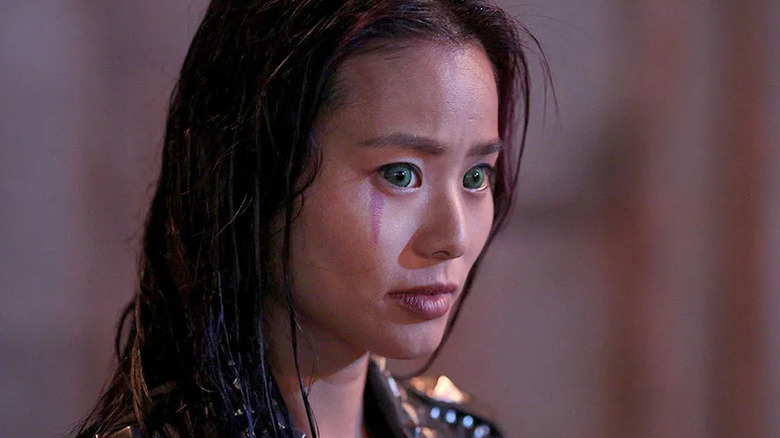
When the Marvel Cinematic Universe started gaining some steam, every other studio with a piece of the Marvel creative rights tried to grab a piece of the pie. When Marvel moved into TV with the (initially) canon-to-the-movies show "Agents of S.H.I.E.L.D.," Fox looked to the "X-Men" universe to give them some potential live-action TV hits.
Noah Hawley's surreal "Legion" on FX gained some traction, but Fox network's "The Gifted" was more of a miss. Fans weren't entirely clear whether it was meant to be canon to the movies or not, as the story of young mutants on the run from an oppressive government used mostly minor "X-Men" characters. When asked, showrunner Matt Nix offered vague, unsatisfactory answers about whether the show was connected to the movies.
Now that the MCU owns the "X-Men" rights again, it might be more fun to do a mutants-on-the-run show in the full, official universe. It would probably have to wait until a couple of MCU "X-Men" movies are actually out first, though.
Millennium
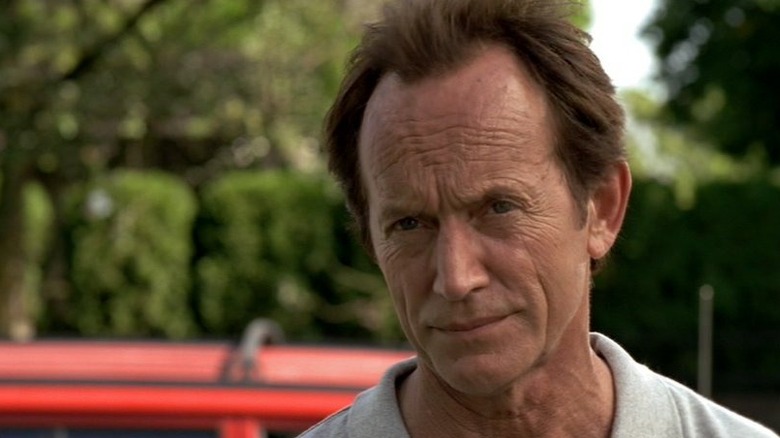
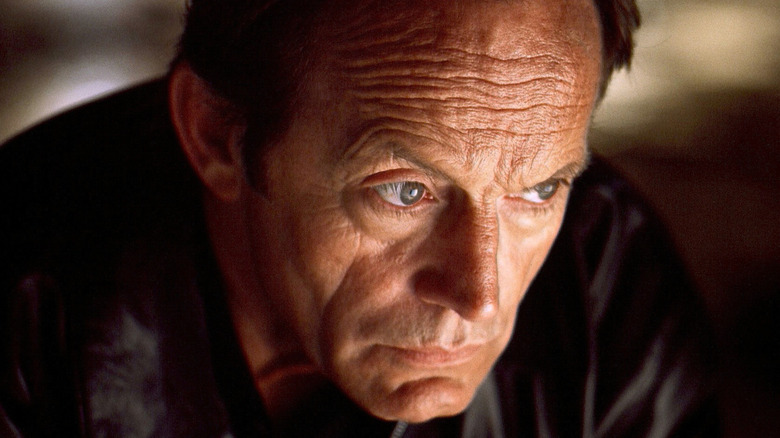
"The X-Files" has a reboot on the way from Ryan Coogler, and if it works out, the original show's sister-series needs to be next. In the run-up to the year 2000, apocalyptic theories abounded, from religious premillennialist dispensationalism to fears of a mass computer shutdown due to the "Y2K" problem. From this atmosphere came Chris Carter's "Millennium," starring Lance Henriksen as Frank Black, a criminal profiler who can see inside the minds of serial killers. He works for the ultra-secretive Millennium Group, whose goals turn out to be less than benevolent.
"Millennium" was canceled after three seasons, but Frank Black's storyline got some closure in an "X-Files" episode. The Millennium Group, however, left plenty more to discover.
If the turn of the actual millennium put any of the year 2000 conspiracy theories to rest, it didn't stop more from springing up shortly thereafter. Conspiracy theories in recent years have been prominent in the news and discourse like never before. The hard part for a potential "Millennium" reboot would be to come up with anything scarier than true believers in wildly unhinged conspiracies winning high-placed government jobs for real.
At the age of 85, Henriksen is still working. If a new "Millennium" is ever to happen, let's get it while he can still make a cameo.
Manimal
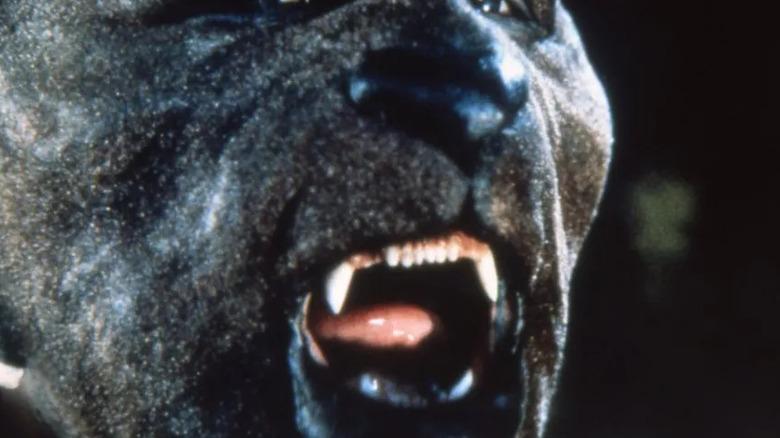
Though it lasted a mere eight episodes in 1983, "Manimal" stuck in the memories of a lot of superhero-loving kids of the era, and its title alone remains an archetypal example of a high-concept '80s show. Jonathan Chase (Simon MacCorkindale) was a shapeshifter. His study of mystic arts in Tibet and Africa gave him the knowledge of the genetic boundaries between man and animal, and the ability to cross them. He used his talents as a multi-faceted, benevolent were-beast to fight crime with the aid of memorable makeup effects by Stan Winston, and trained animals.
Manimal remained a popular enough character to return for a 1998 episode of "NightMan," another superhero show by the same producer, once again Glen A. Larson. In that appearance, his transformation was accomplished via CG rather than practical effects, though it was nowhere near what can be done now. Modern digital effects would allow Manimal to become a much wider range of creatures. Rather than sticking to his go-to panther and hawk, why not an elephant, a blue whale, or even a dinosaur?
A new origin would naturally be needed: exoticization and othering of Tibet and "Africa's deepest recesses" isn't as harmless as TV thought at the time.
Homeboys in Outer Space
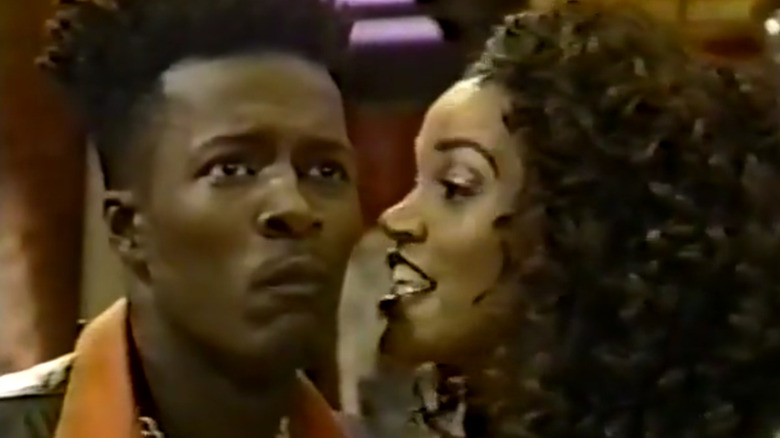
"Homeboys in Outer Space," a 1996 sci-fi sitcom about two inept Black bounty hunters who travel the galaxy in a winged lowrider, was an instant pop-culture punchline as soon as it debuted on network TV. The title sounded pandering, the reviews were bad, and some critics even compared it to the bigoted, outdated stereotypes of "Amos 'n' Andy." However, it might have just been ahead of its time.
A Black-centric parody of genre fiction, especially one that could implicitly send up the lack of diversity in similar media, is precisely what "Scary Movie" was a couple years later, and it cleaned up at the box office. "Homeboys" unfortunately looked really cheap, and one of its better jokes was hiring James Doohan to look and sound exactly like his "Star Trek" character Scotty, but named "Pippen" instead. Several jokes on the show weren't much better than that.
Afrofuturist sci-fi comedy seems like the sort of thing that would play really well as an Adult Swim animated series today. However, that network programming block didn't launch until 2001, five years too late for "Homeboys." Whoever owns the IP might want to try again with the network that launched "Squidbillies" and "Aqua Teen Hunger Force." Or maybe even at Netflix, which made "BoJack Horseman" a thing.
The Tripods
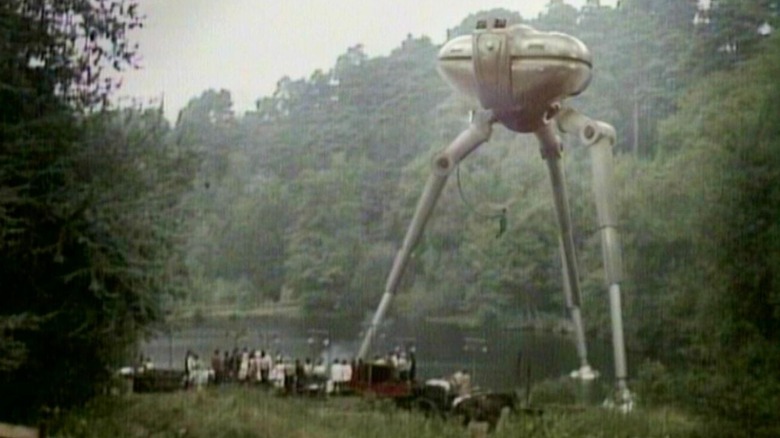
Decades before "The Hunger Games," "The Tripods" was a 1967 young adult trilogy (with a prequel added later) of post-apocalyptic novels by John Christopher. In them, a human society is reduced to medieval levels under the rule of "War of the Worlds"-like mechanical tripods piloted by unseen aliens. Three teenage boys escape the coming-of-age, mind-control "capping" ceremony, discover a world outside the Tripods' control, and learn how to fight back.
In 1984, the BBC adapted the first two books for TV, but alas, stopped before they could finish the trilogy. Despite early favorable reviews, the story was frustratingly left unfinished. It's time to remedy that.
Disney acquired the movie rights, and as recently as 2009 "Dark City" director Alex Proyas was attached. A potential film carries the same risks as the original show, though, in that two sequels are not guaranteed unless all three film at once. Far better would be a Disney+ streaming series that could do full justice to the books and not leave fans hesitant to emotionally invest in another potentially unfinished version.
Defiance
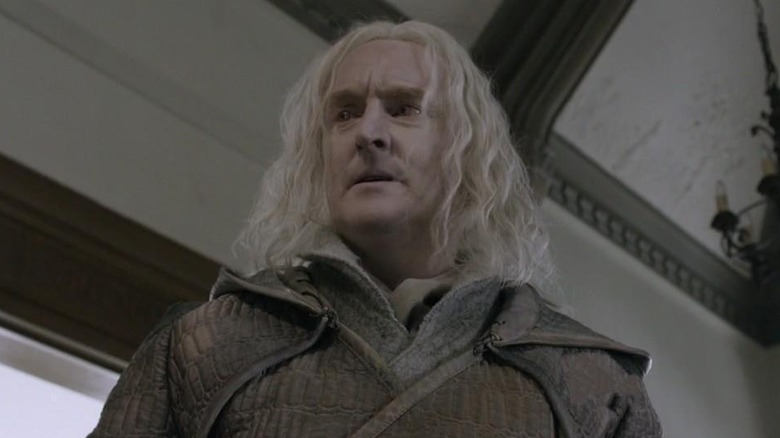
"Defiance" might have been hobbled right out of the gate by its ambitious gimmick — a tie-in online shooter game that would supposedly adapt to, and enhance, TV storylines. In actuality, the game didn't tie in that much, and it wasn't made available for consoles until after the series was canceled.
That aside, it was an underrated three-season series that not enough people talked about. Set in a future Earth that had been reverse-terraformed by seven different alien refugee races, it was essentially a high-concept sci-fi Western about a sheriff named Nolan (Grant Bowler) and his adopted alien daughter in the extremely multicultural ruins of St. Louis. Alien races included the imperious Castithans, biker-like Irathients, genetically engineered Indogenes, dwarfish Liberata, Sasquatch-like Sensoth, vampiric Omec, elusive Gulanee, and too-expensive-for-most-episodes giant CG Volge.
Highlights of the show included the late Graham Greene's performance as benevolent mining mogul Rafe McCawley, and Tony Curran as the criminal Datak Tarr, who frequently shifted allegiances to survive whoever happened to be gunning for him that particular week.
The series ended with Nolan flying a dangerous alien mothership deep into space to save Earth, presumably never to be seen again ... but what if he were? The world-building, from sci-fi veterans Rockne S. O'Bannon, Kevin Murphy, and Michael Taylor, was so deep and thought-out that it wouldn't seem too difficult to revisit the town of Defiance in its future with a whole new cast.
Hard Time on Planet Earth
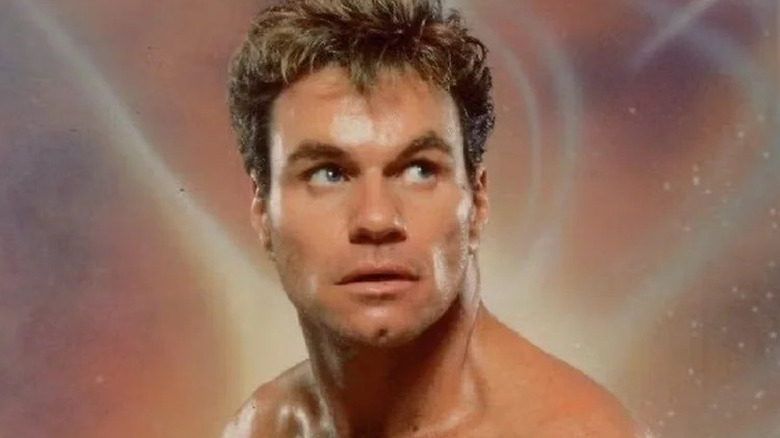
In 1989, CBS viewers weren't particularly interested in watching "Hard Time on Planet Earth." This despite it being a show from the creators of "Predator," one that starred "Karate Kid" villain Martin Kove as an alien warrior sentenced to exile on Earth until he had learned to be a better being. In 2026, after "Cobra Kai" and "Prey," the climate is much more favorable for this concept. The original series found humor in the alien, who called himself Jesse, learning human behavior from TV. Just imagine what an alien would think of humans if it learned from the internet instead.
Kove may be 79 years old now, but "Cobra Kai" demonstrated he still has the stamina to do a multi-season series. The star of any reboot would likely need to be someone younger to handle all the action. However, Jesse was implicitly redeemed but never actually shown returning home and might have stayed on Earth all this time. He could mentor — or oppose! — another space criminal, depending upon which way a reboot chose to go.
The whiny, flying CGI seashell that kept warning Jesse he was doing everything wrong would look a lot better with modern technology, too.